
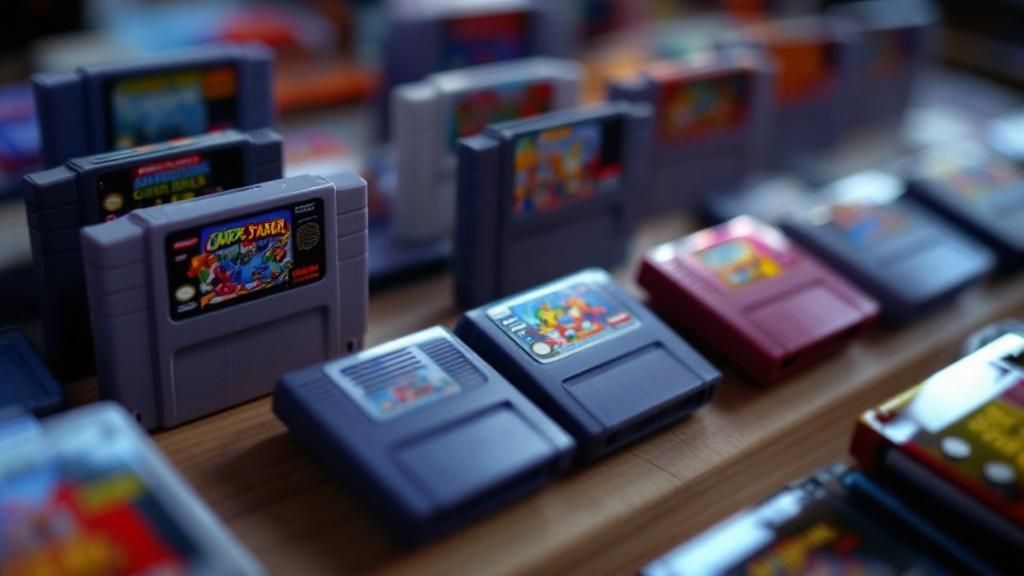
The retro gaming market has experienced a remarkable phenomenon in the past few years, with Game Boy Advance cartridges attracting extraordinary prices amongst collectors worldwide. What was once regarded as obsolete technology has evolved into a coveted investment, as collectors driven by nostalgia and committed collectors compete to secure scarce games. This article investigates the forces fuelling this unexpected surge in demand, assesses which cartridges have grown most desirable, and considers whether this trend signals a sustainable market shift or simply another fleeting collector’s craze.
The Rising Tide of GBA Nostalgia
The Game Boy Advance, launched in 2001, has undergone an remarkable revival in interest amongst gaming fans and collectors alike. What was once regarded as dated technology has now become a representation of cherished childhood memories and gaming heritage. This nostalgic resurgence has been significantly amplified by the expansion of social media platforms, where collectors proudly showcase their acquisitions, encouraging fellow enthusiasts to undertake their own search efforts for uncommon cartridges and forgotten gems from the handheld’s vast collection.
A number of factors have contributed to this unexpected surge in collector demand. The discontinuation of Nintendo’s digital platforms for legacy systems has left certain titles no longer accessible through conventional means, directing collectors towards physical cartridges as the sole method of playing beloved games. Additionally, the growing expense of contemporary games, combined with advanced emulation tools and the desire for tangible ownership, have made retro cartridges increasingly attractive to price-sensitive collectors looking for authentic experiences without high costs.
The demographic fuelling this market shift surpasses individuals who initially acquired the console during its initial release. Younger generations, fascinated by gaming history and pursuing affordable alternatives to contemporary releases, have found the GBA’s extensive collection of titles. This intergenerational appeal has produced unprecedented demand levels, fundamentally transforming the secondary market landscape and establishing Game Boy Advance cartridges as legitimate collectible investments rather than just nostalgic memorabilia.
Market Dynamics and Price Growth
The surge in Game Boy Advance cartridge costs demonstrates a combination of supply shortages and escalating collector appetite. Restricted manufacturing volumes, coupled with the progressive wear of cartridges over two decades, have generated shortage that drives valuations upward. Resale marketplaces have become increasingly sophisticated, facilitating international price visibility and competition amongst buyers. Trade observers attribute this phenomenon to the intersection of nostalgia, investment speculation, and genuine rarity, establishing conditions where prices have risen substantially within the past few years.
Uncommon Titles Attracting Premium Prices
Certain Game Boy Advance titles have transcended their initial market prices, transforming into objects of serious investment. Cartridges such as Pokémon FireRed, Pokémon LeafGreen, and The Legend of Zelda: The Minish Cap routinely achieve exceptional valuations, especially when sealed in original packaging. Condition grading has become paramount, with mint specimens commanding substantially elevated prices than their played counterparts. Verification providers have emerged to confirm authenticity, tackling buyer worries regarding counterfeit reproductions flooding the market.
Exclusive limited releases and region-exclusive variants have demonstrated considerable profitability for collectors willing to invest substantially. Japanese versions, particularly early releases and developer-autographed copies, command the highest positions of the market. Collector enthusiasm has intensified following online documentation of remarkable finds, encouraging widespread hunting expeditions through charity shops and car boot fairs. This grassroots interest has inadvertently inflated prices across the whole market segment, affecting even common titles.
- Pokémon FireRed sealed copies exceed £800 regularly
- Japanese Famicom Mini cartridges command premium valuations on a regular basis
- Limited edition Zelda variants appreciate significantly annually
- Authenticated copies achieve substantially higher prices than unverified examples
- Regional exclusives from Asia show strongest appreciation trends
Collector Motivations and Investment Potential
The renewed interest of Game Boy Advance cartridges arises from a combination of nostalgia and calculated investment thinking. Collectors are driven by fond memories of their early gaming years, coupled with the understanding that rare titles increase substantially in value. Many aficionados view these cartridges as physical holdings delivering enhanced returns versus conventional investment vehicles. The rarity of certain releases, notably exclusive releases and region-exclusive titles, has transformed them into sought-after items that attract high valuations at sale.
Beyond sentimental attachment, dedicated collectors acknowledge the Game Boy Advance market’s substantial opportunities for sustained appreciation. Cartridge condition, scarcity, and origin history significantly affect valuation, with pristine, unopened examples fetching remarkable prices. The limited availability of original hardware creates natural scarcity, whilst increasing demand from collectors worldwide keeps pushing values higher. Financial analysts now recognise retro gaming as a legitimate alternative investment class, positioning Game Boy Advance cartridges amongst the most promising acquisitions for knowledgeable enthusiasts pursuing both pleasure and monetary returns.
